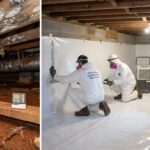
Essential Guide to Foundation Repair: Common Issues and Solutions for a Stable Home
When it comes to owning a home, there are few things more important than a solid foundation. A stable foundation isn’t just the hero of your home’s structure, it’s also its unsung champion, quietly bearing the weight of your life’s work, your beloved family, and all those half-finished DIY projects that seemed like such a good idea at the time. But what happens when that bedrock of stability starts to show signs of distress? In this essential guide to foundation repair, we’ll dive into common issues homeowners might face and provide actionable solutions to ensure your home remains a sanctuary instead of a sinking ship.
Understanding Your Foundation: The Backbone of Your Home
Before we plunge into the depths of foundation issues—like an uninvited guest at a summer barbecue—it’s crucial to understand what your foundation actually does. Your home’s foundation is designed to support the weight of your structure and distribute it evenly across the ground beneath. It also acts as a barrier against moisture, pests, and other hazards lurking below the surface. If your foundation is in trouble, well, let’s just say you could be inviting a whole host of problems into your life.
Common Foundation Issues: Signs That Something Isn’t Quite Right
1. Cracks, Cracks, Everywhere
One of the most visible signs of foundation trouble is cracking—usually in the walls, floors, or even the foundation itself. While hairline cracks can be normal due to settling, larger, wider cracks (think quarter-inch or more) should raise alarm bells. Horizontal cracks in basement walls are particularly concerning, as they can indicate pressure from shifting soils.
2. Uneven Floors: Feeling a Little Wobbly?
Have you ever experienced that strange sensation of walking on a boat rather than solid ground in your own home? If your floors are sloping or feel uneven, it might be your foundation giving way. Beyond being an unsettling experience, uneven floors can lead to door frames misaligning and windows becoming stuck—definitely not a feature you want to list on your home’s highlight reel.
3. Doors and Windows That Just Won’t Cooperate
If your doors and windows suddenly start to stick, jam, or swing open on their own like an overzealous ghost, it could indicate foundation trouble. Misalignment caused by settling or heaving can impact how these openings function and contribute to energy inefficiency. Plus, who wants to wrestle with an uncooperative door while trying to exit the house during a fire drill?
4. Water Intrusion: A Moist Situation
If your basement resembles a swimming pool after heavy rain—or any rain for that matter—you’re likely dealing with drainage issues exacerbated by foundation problems. Water intrusion can lead to mold, decay, and damage that extends beyond mere aesthetics. Not to mention, water pooling around your home’s foundation can create a cascade of additional concerns.
5. Gaps Between Walls and Ceilings
Keep an eye on those pesky gaps forming between your walls and ceilings. If you start to see daylight or feel drafts where there shouldn’t be any, it’s time to investigate the state of your foundation. This might be the result of settlement or heaving, both of which can compromise the integrity of your home.
Common Causes of Foundation Problems: What’s Behind the Scenes?
Now that we’ve identified some common issues, it’s important to explore the culprits behind these unwelcome guests. Understanding what causes foundation problems can help you prevent future crises and maybe even keep that infamous secret chocolate stash safe from potential disaster.
1. Poor Drainage
Water is both a friend and enemy to your foundation. When rainwater isn’t channeled away properly (thanks, gutters and downspouts), it can accumulate around your foundation, leading to soil expansion and, eventually, foundation movement. Installing proper drainage systems and ensuring gutters are clean and functioning is vital.
2. Soil Settlement and Expansion
Did you know that the type of soil beneath your home can dramatically impact its stability? Clay soil, for instance, expands when wet and shrinks when dry, leading to movement. Sand and gravel, while more stable, can also shift. Understanding your soil type could save you a lot of future headaches—and prevent shifty soils from stealing your Sunday BBQs.
3. Tree Roots
Those beautiful trees lining your yard may offer shade and beauty, but their roots can wreak havoc on your foundation. Their thirst for moisture can lead to soil drying out and shrinking, causing your foundation to settle. If your home is sinking into the earth like a misplaced anchor, it may be time for some strategic landscaping.
4. Natural Disasters
Mother Nature can be unpredictable, and events like earthquakes, floods, or prolonged drought can lead to significant foundation challenges. Keeping an eye on local weather predictions can go a long way toward preemptive measures.
Solutions to Foundation Problems: Your Blueprint for Stability
So, what do you do if you find yourself facing a foundation crisis? Fret not! There are several effective solutions to help restore your home’s stability.
1. Crack Repair
If you’ve identified cracks in your foundation, addressing them quickly is key. For small cracks, filling them with epoxy or polyurethane can seal out moisture and prevent further damage. More substantial cracks may require professional assessment to determine underlying issues.
2. Underpinning and Piering
For homes that have settled too far down the rabbit hole, underpinning can provide a solid solution. This process involves extending the foundation depth to stable soil by installing piers. It’s like giving your home a much-needed lift, both physically and metaphorically.
3. Installing Drainage Systems
To combat the overwhelming issue of poor drainage, consider installing a French drain or a sump pump. These systems can effectively reroute water away from your foundation, keeping it dry and happy—kind of like a well-watered plant that doesn’t get too much sun.
4. Soil Stabilization
If soil settlement is the primary issue, stabilizing it with techniques like compaction grouting or chemical grouting can effectively reinforce the area beneath your foundation. This ensures that your home stays firmly anchored and doesn’t take an unexpected dive into the abyss.
5. Regular Maintenance
Prevention is always better than a cure. Regular maintenance, including checking gutters, downspouts, and grading your property to direct water away from the foundation, can save you countless dollars down the line. Plus, performing routine inspections can help catch minor issues before they blossom into major headaches.
Conclusion: Keep Your Foundation Strong, Your Home Happy
In the grand scheme of homeownership, your foundation is an essential component that deserves attention, respect, and perhaps a little pampering. Identifying the common issues, understanding their causes, and implementing solutions can go a long way toward ensuring your home remains a solid fortress in an unstable world.
Remember, while foundation issues can seem daunting, proper care and timely repairs can keep your home as stable as your favorite coffee mug on a flat surface (unless you’ve had too much caffeine, in which case, good luck). By keeping an eye on your foundation and addressing any issues promptly, you can enjoy peace of mind knowing your home’s backbone is in top shape, ready to withstand whatever life throws your way. So go forth and enjoy your solid abode—just maybe skip the trampoline parties for now!