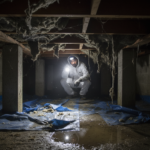
Essential Guide to Effective Basement Waterproofing Strategies for Homeowners
When it comes to maintaining a home, few tasks are as critical—or as frequently overlooked—as waterproofing your basement. After all, what’s the point of having a cozy living space down below if it’s going to double as a swimming pool during heavy rains? If you’re a homeowner, understanding effective basement waterproofing strategies is essential to protect your investment and keep your family safe from potential water damage and mold growth. So, grab your favorite beverage, and let’s dive into the essential guide that will transform your damp dungeon into a dry, usable space.
Understanding the Importance of Basement Waterproofing
Before we jump into strategies, let’s take a moment to discuss why basement waterproofing should be high on your home maintenance checklist. The basement is often the first line of defense against moisture entering your home. Water can lead to structural damage, mold growth, and even health issues ranging from allergies to respiratory problems. A moist basement can also create an unsightly environment—unless you’ve been dreaming of a cave-like retreat, damp walls and floors probably aren’t your aesthetic of choice.
The Cost of Ignoring the Issue
Ignoring basement waterproofing might seem like an option—at least until a storm decides to turn your home into a water park. The costs associated with water damage can quickly add up. From replacing ruined flooring and furniture to dealing with mold removal, what starts as a minor inconvenience can escalate into a major repair project that drains both your finances and your peace of mind.
Now that we’re on the same page about why waterproofing is vital, let’s explore some effective strategies homeowners can use to keep their basements dry.
1. Assess Your Current Situation
Before embarking on a waterproofing journey, it’s paramount to assess your basement’s current condition. Look for visible signs of water intrusion such as stains, discoloration, or mold growth. Check around the foundation for cracks and examine any drainage systems in place. This initial assessment will provide valuable insights into where improvements are necessary and which strategies would be most effective.
2. Sealing Cracks and Joints
Once you’ve assessed the situation, it’s time to tackle those pesky cracks and joints. Many homeowners are surprised to learn just how much water can seep through even the smallest of openings. To seal them effectively:
– Use hydraulic cement to fill any cracks. This type of cement expands as it cures, making it perfect for stopping leaks.
– For larger gaps, consider using a high-quality polyurethane or silicone caulk. It creates a strong and flexible seal that can withstand changes in temperature and moisture content.
Remember, prevention is key! Sealing these entry points helps keep unwanted water at bay before it has the chance to wreak havoc.
3. Install Interior Drainage Systems
If your basement has a tendency to collect water, installing an interior drainage system might be the way to go. These systems collect and redirect water away from your basement.
– **French Drains**: A popular option, French drains are trenches filled with gravel and a perforated pipe that collects water from the surrounding soil and directs it away from your foundation.
– **Sump Pumps**: Combining a sump pump with your French drain can further enhance your protection. When water enters the drain, it gets directed to a sump pit, where the pump can then push it out and away from your home.
4. Waterproofing Membranes
For those looking for an additional layer of protection, applying waterproofing membranes on the walls can prove beneficial. These membranes are typically a thick waterproof coating that binds to the concrete surface and prevents moisture from penetrating. It’s like building your basement a raincoat!
Look for products specifically designed for below-grade applications, and follow the manufacturer’s instructions for the best results. Once applied, it’s advisable to cover the membranes with insulation or drywall for an extra layer of protection and a more finished look.
5. Control Exterior Water Flow
A well-functioning drainage system around your home can significantly reduce the risk of groundwater seeping into your basement. Here are some external measures to ensure things stay dry:
– **Gutters and Downspouts**: Ensure your gutters are clean and your downspouts direct water at least three to six feet away from your foundation. Think of it as giving your house a moat—minus the crocodiles.
– **Grading**: The ground around your home should slope away from the foundation. If your yard is more level than an Olympic gymnastics mat, consider re-grading it to help with water flow.
– **Landscape Carefully**: While it’s lovely to have beautiful flower beds hugging your foundation, make sure they don’t hold water near your basement. Use plants that thrive in well-drained soil, and consider adding rocks or mulch to promote better drainage.
6. Ventilation is Key
Moisture control doesn’t just happen at ground level; adequate ventilation is equally important. Without proper airflow, condensation can build up in your basement, leading to the dreaded mold and mildew.
Consider the following tips:
– **Install Vents**: If your basement has no existing vents, installation of vents can help. They allow fresh air to circulate, reducing humidity levels.
– **Use Dehumidifiers**: Investing in a quality dehumidifier can actively remove moisture from the air, keeping the environment dry and ensuring that you’re not providing a five-star spa experience for mold.
7. Insulation Matters
Insulating your basement can significantly improve temperature regulation, thereby minimizing condensation and moisture buildup. However, it’s crucial to do this correctly:
– Use moisture-resistant insulation materials, such as closed-cell spray foam or rigid foam boards, to prevent water infiltration while providing thermal resistance.
– Avoid using traditional fiberglass batts in areas prone to moisture, as they can absorb water and become breeding grounds for mold.
8. The Power of Landscaping
Sometimes, the key to a dry basement lies in the landscaping! Strategic planting and hardscaping choices can direct water away from your home. Consider:
– Planting vegetation that naturally absorbs excess water.
– Installing hardscapes like terraces or retaining walls that direct water flow away from the foundation.
A landscape designer can help you formulate a plan that enhances your home’s aesthetics while keeping the basement dry.
9. Know When to Call a Professional
While DIY solutions can work wonders, sometimes the problem may require a professional touch. If you’ve done your due diligence and still find water intrusion issues persist, consulting a waterproofing specialist can make all the difference. These experts can conduct comprehensive assessments, recommend tailored solutions, and provide warranties on their work.
Conclusion: Don’t Let Your Basement Become a Reservoir
By implementing these waterproofing strategies, you’re not just protecting your basement; you’re enhancing the overall value and comfort of your home. Remember, a dry basement allows room for creativity, whether you envision a cozy family room, an office, or even a workshop.
So take charge, assess your situation, and equip your basement with the right tools to fend off the forces of moisture. Your basement deserves to be more than just a storage area or a rarely visited nook—it can be a functional, enjoyable part of your home.
Now get out there, roll up your sleeves, and let’s make that basement the envy of all your neighbors—water-free and fabulous!