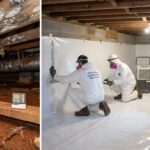
Effective Strategies for Foundation Repair: Ensuring a Stable Home for the Future
When it comes to home ownership, few things can send shivers down your spine quite like discovering that your foundation is in trouble. After all, the foundation is literally what holds your home up (and we don’t mean that in a metaphorical sense). Imagine your house doing the limbo because it’s sinking on one side—definitely not an ideal situation! So, how can you make sure your home remains standing tall, unwavering even during the most ferocious weather storms? Let’s dive into some effective strategies for foundation repair that will ensure your home stays stable and secure for years to come.
Understanding the Importance of a Strong Foundation
Before we launch into the nitty-gritty of repair techniques, it’s essential to appreciate why a solid foundation is crucial. Think of your foundation as the bedrock of your home. It supports the entire structure and handles weight load, prevents moisture infiltration, and provides a level surface for your home. If your foundation is weak, problems will trickle up—literally! You may notice cracks in walls, doors that don’t close properly, or worse, a tilting house. Identifying the signs early on can save you a world of financial hurt and stress.
Identifying Foundation Issues
The first step in any effective foundation repair strategy is recognizing that you have a problem. Here are some classic indicators that your foundation might need a little TLC:
1. **Cracks in the Walls or Foundation**: Vertical or horizontal cracks can signal serious issues. Small hairline cracks may be nothing to worry about, but larger cracks (especially those wider than a quarter-inch) should raise an eyebrow.
2. **Uneven Floors**: Does your dinner plate slide off the table when no one is watching? If your floors slope or feel uneven, you might need to investigate your foundation.
3. **Door and Window Issues**: Stuck windows or doors that won’t close properly can indicate that your foundation has shifted. It’s like your home is playing a game of “how many doors can I annoy?”
4. **Gaps Around Windows and Doors**: If gaps start forming between frames and the wall, your foundation could be settling improperly.
5. **Bowing Walls**: If you can see walls bending inward as if they’re trying to take a bow, then something definitely isn’t right.
Once you’ve identified these signs, it’s time to take action—don’t wait for your house to audition for a horror movie!
Engaging a Professional Inspector
Sure, one could take a DIY approach to foundation repairs, but unless you possess superhero-level skills, hiring a professional inspector is advisable. These individuals can provide a thorough assessment, often using advanced tools and techniques to diagnose the extent of the damage.
When hiring an inspector, look for someone who is licensed, insured, and has great reviews. Ask for referrals and don’t skip the research phase—after all, you want someone whose expertise is not limited to spending too much time at the coffee machine.
Common Foundation Repair Methods
Now that you’ve pinpointed the issues, let’s discuss some of the common foundation repair methods that professionals use. Remember, each method has its pros and cons, and the best choice depends on specific circumstances.
1. **Slabjacking or Mudjacking**: This involves injecting a mixture of cement and other materials under a concrete slab to lift it back to its original position. If you’re imagining tiny fairies lifting your house, you’re not far off! The process is relatively quick and less invasive compared to other methods.
2. **Piering or Underpinning**: This technique involves installing piers beneath the foundation to stabilize and support it. There are different types of piers, including helical piers and push piers, and they act as extensions of the foundation, transferring weight down to stable soil or bedrock. It’s like giving your home a sturdy pair of stilts.
3. **Foundation Replacement**: In severe cases where the foundation is beyond repair, complete replacement may be necessary. This approach is labor-intensive and costly but sometimes is the only option to ensure long-term stability.
4. **Wall Anchors**: If your foundation walls are bowing, wall anchors can be installed to pull them back into place. It’s akin to a friendly hug for your walls, ensuring they stand strong against pressure from outside.
5. **Drainage Solutions**: Often, foundation issues arise because of water pooling around the base of the home. Installing proper drainage systems, such as French drains, can help divert water away and protect the foundation. Preventative measures are always better than the cure!
DIY Vs. Professional Repair: Weighing Your Options
A natural inclination for homeowners is to take matters into their own hands. However, consider your skill level and the severity of the problem before donning your tool belt. While minor repairs (like patching small cracks) may be feasible, more extensive issues typically require professional intervention.
Think about it this way: if you were to tackle heart surgery with a YouTube tutorial, the results might be… well, less than optimal. Foundation repairs demand knowledge and expertise to execute correctly. A botched job could lead to more significant issues down the line, making it inadvertently a labor of love gone wrong.
Cost Considerations for Foundation Repairs
Let’s talk turkey—or rather, the dollars and cents of foundation repair. Costs can vary widely based on the type of repair needed, your geographical location, and the severity of the issue. On average, homeowners can expect to pay anywhere from $2,000 to $7,000 for most foundation issues, although complex repairs can exceed this range significantly.
While it may seem daunting, think of it as an investment in your home’s health. And remember, putting off repairs can lead to even bigger expenses later on—like replacing your home after it sinks into the ground!
Preventative Measures for Future Stability
Once your foundation is repaired, there are several preventative measures you can take to avoid future mishaps. Here are some tips:
1. **Maintain Proper Drainage**: Ensure gutters are clean and downspouts direct water away from your foundation. A good rule of thumb is to have downspouts extend at least six feet from the foundation.
2. **Monitor Soil Moisture Levels**: Soil that becomes too dry or too wet can cause shifts in your foundation. Use mulch in garden beds and consider a moisture-control system if you reside in a particularly rainy area.
3. **Plant Wisely**: Certain trees can draw excessive moisture from the soil, leading to foundation issues. Consult with a landscaping expert to landscape smartly around your home.
4. **Inspect Regularly**: Make it a habit to inspect your home for any signs of new cracks, bowing walls, or moisture issues. Early detection means early intervention!
5. **Encourage Airflow**: In areas like crawlspaces, ensure good ventilation to reduce humidity and moisture buildup. A dry foundation is a happy foundation!
Conclusion
In summary, safeguarding your home starts with understanding the importance of a solid foundation. By recognizing the signs of distress, engaging qualified professionals, and applying effective repair methods, you can ensure that your house stands firm as the years roll by. Remember, whether through mudjacking magic or underpinning prowess, there is always a strategy to restore stability.
And while nobody wants to contemplate sinking foundations during their evening tea, addressing such issues promptly will lead to peace of mind and a secure home environment. So, roll up your sleeves (or call in the pros) and embark on the journey of foundation repair. Your future self—and your home—will thank you!