Essential Guide to Basement Waterproofing: Protect Your Home from Water Damage and Mold
Ah, basements – the often underrated and occasionally soggy underbelly of our beloved homes. Often seen as a mere storage space for forgotten holiday decorations and that treadmill we promised ourselves we’d use, basements can also be prone to pesky water problems. If you’ve ever experienced the heart-stopping moment of discovering water pooling in your basement, you know that protecting this area should be a top priority. So, grab your favorite rainy-day drink, sit back, and let’s dive into the essential guide to basement waterproofing – because nobody wants a water feature where they store their old vinyl records.
Understanding the Importance of Basement Waterproofing
First things first: why is basement waterproofing such a hot topic? Here’s the deal – water damage is one of the leading causes of property loss in homes. According to various studies, a significant number of homeowners will experience some form of water intrusion during their time in their house. Bad news, right? The infamous trio of water, mold, and decay can wreak havoc on your home’s structure and your wallet.
When moisture seeps into your basement, it doesn’t just make for an unpleasant atmosphere; it can lead to mold and mildew growth, structural damage, and even health issues for your family. We’re talking about both physical issues, like respiratory problems, and emotional stress – “Did I really have to spend my Saturday mopping up water again?” Let’s prevent that by learning effective waterproofing strategies!
Types of Water Intrusion
Before we race ahead with our waterproofing plans, we need to understand the enemy we’re up against. Water can intrude into basements in several ways:
1. **Surface Water**: This is rainwater that flows over the ground and can seep into your basement through the foundation walls or floor. Think of this as the neighborhood bully – it can be relentless if not kept in check!
2. **Groundwater**: When there’s excessive rainfall or flooding, groundwater levels can rise and exude pressure against basement walls, eventually forcing water through cracks. It’s like the sneaky friend who unexpectedly shows up at your party uninvited.
3. **Condensation**: High humidity levels can cause moisture to condense on cool surfaces in your basement. Imagine a cold glass of lemonade on a hot summer day – that sweat on the outside could be a resemblance of what’s happening in your basement. Not ideal!
Armed with this knowledge, we’re ready to discuss the practical steps for preventing these types of water intrusion.
The Waterproofing Checklist
Here’s a fail-safe checklist for tackling basement waterproofing. Follow along closely, and your basement might just join the ranks of envy-worthy spaces rather than those that elicit mortification from your guests.
1. **Evaluate Your Gutters and Downspouts**
Believe it or not, the first line of defense against basement water issues starts outside your house. Check that your gutters are clean and functioning well. Clogged gutters can overflow, directing water toward your foundation instead of away from it. Downspouts should extend at least six feet away from your home’s foundation. Think of them as your home’s version of an umbrella – it needs to channel the rain away, not toward its vulnerable spots.
2. **Grade Your Landscape**
Ideally, the soil around your home should slope away from the foundation. This grading will help direct surface water away. You don’t want your yard to turn into a mini lake every time it rains! If the land slopes toward your home, consider regrading it to create a slope that pushes water away.
3. **Install a French Drain**
If you find excess water still making its way to your basement, a French drain could be the answer. This system collects and diverts water away from your foundation. Essentially, it’s like giving water a VIP route around your home. The installation involves digging a trench around your foundation, laying down perforated pipe, and covering it with gravel. Voilà! Water diversion achieved.
4. **Seal Cracks and Gaps**
Once you’ve tackled the exterior, turn your attention to the interior. Inspect your basement walls and floor for cracks or gaps. Use hydraulic cement or epoxy sealants to fill these openings. It’s akin to putting a Band-Aid on a cut – temporary fixes can save the day until you develop a more long-term plan.
5. **Install a Sump Pump**
For those prone to heavy rains or residing in flood-prone areas, a sump pump is an excellent investment. This device sits in a pit in your basement and automatically pumps out any accumulated water. Optional bonus: when neighbors come over for a visit, you can casually mention having a sump pump – “Oh, this old thing? It’s just my little friend that keeps my basement dry.”
6. **Waterproofing Membrane**
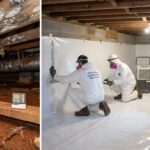
For a high-tech solution, consider applying a waterproofing membrane to your basement walls. These membranes act as a barrier, preventing moisture from seeping through. It’s like giving your basement the ultimate raincoat!
7. **Improve Ventilation**
To combat condensation issues, improving ventilation in your basement is key. Make sure your vents are unobstructed and consider using dehumidifiers, particularly in high-humidity environments. Nobody wants to step into a sauna when they venture downstairs.
8. **Regular Maintenance Checks**
Last but definitely not least, regular maintenance checks are critical. Schedule yearly inspections to ensure everything is functioning correctly, especially after heavy storms. Keeping an eye on your basement can save you a fortune in repairs later.
Common Mistakes to Avoid
As we embark on our waterproofing journey, it’s crucial to dodge common pitfalls. Here are a few blunders folks often make:
– **Ignoring the Problem**: A little drip can quickly escalate into a deluge. Don’t bury your head in the sand! Address issues promptly instead of hoping they’ll magically disappear.
– **Relying Solely on Interior Solutions**: While sealants and paints can help, relying solely on internal fixes is like putting a Band-Aid on a bullet wound. External solutions are paramount for long-lasting protection.
– **Neglecting Landscaping**: Remember, your yard has a say in your basement’s health. A poor landscape can sabotage your efforts. Invest some love and care into your outdoor space.
– **DIY Overdrive**: While tackling projects yourself can be satisfying, consult professionals for larger-scale tasks, particularly when it comes to drainage systems and major waterproofing jobs. Trust us; your future self may thank you.
Conclusion
Basements may be the overlooked corners of our homes, but they deserve the same love and care as the rest of the house. By implementing these basement waterproofing strategies, you can safeguard your home against water damage and mold while keeping your living space dry, clean, and cozy.
So, whether you’re navigating the murky waters of water damage for the first time or are a seasoned pro facing a new challenge, remember that a well-waterproofed basement is a happy basement. Invest in proper measures today, and you’ll be able to utilize your basement for many purposes – from a man cave to a craft space, or even a cozy movie haven, without the worry of water intrusion dampening your spirits. After all, we all deserve a dry place to stash our secrets and treasure – even if that means a few good board games and childhood memories mixed in!