Essential Guide to Effective Basement Waterproofing: Protect Your Home from Water Damage
When it comes to home maintenance, most homeowners have a few chores that top the list—changing the furnace filter, cleaning the gutters, and, of course, pondering the mysteries of the universe (or just figuring out where all those socks disappear to). However, one task that often gets overlooked is basement waterproofing. A dry basement is like a reliable friend: always there when you need it, and less likely to let you down during rainy days. This guide will cover everything you need to know about effective basement waterproofing, so grab your toolbox, and let’s dive in!
Understanding the Basics of Basement Waterproofing
Before we roll up our sleeves and get into the nitty-gritty, it’s essential to understand why basement waterproofing matters. Your basement is like an underground sponge, soaking up moisture from the surrounding soil. If this moisture isn’t kept at bay, you could be looking at water damage, mold growth, and a slew of expensive repairs.
Basement waterproofing involves strategies and techniques to prevent water from entering your home. Think of it as building an invisible barrier between your cozy sanctuary and the pesky elements outside. Trust us; it’s much better than sifting through soggy cardboard boxes after a rainstorm!
The Types of Basement Waterproofing Solutions
Waterproofing methods fall into two main categories: interior and exterior. Each has its strengths and weaknesses, depending on your particular situation.
### Interior Waterproofing Solutions
1. **Sealants**: These are like the superhero capes for your basement walls. Sealants can block moisture from penetrating through concrete walls. Just be sure to use a product specifically designed for waterproofing; regular paint won’t cut it!
2. **Sump Pumps**: Think of sump pumps as your basement’s personal lifeguard. They automatically remove excess water that accumulates in a sump basin. If you’re expecting a heavy downpour, a sump pump is a worthy investment.
3. **French Drains**: No, these aren’t just for fancy parties; French drains are a system of piping placed around the perimeter of your basement to channel water away from your home. It’s like giving your basement the VIP treatment regarding water management.
4. **Dehumidifiers**: Sometimes the best defense is a good offense. A dehumidifier can help reduce humidity levels in your basement, making it less likely for moisture to condense on surfaces. Plus, it keeps your space feeling fresh!
### Exterior Waterproofing Solutions
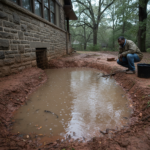
1. **Grading**: Proper grading involves sloping the soil away from your foundation. This simple landscaping trick can minimize water pooling around your home’s base, acting as a proactive measure against potential flooding.
2. **Waterproof Coatings**: Applying a waterproof coating to the exterior of your foundation walls can significantly reduce moisture seepage. It’s like putting on a raincoat before heading out into a storm—only, you’ll want to ensure it’s a high-quality coat.
3. **Drainage Systems**: Installing drainage tiles or pipes outside your foundation helps direct water away from your home. Think of it as giving Mother Nature a gentle nudge to divert water flow in the right direction.
4. **Downspouts and Gutters**: Ensure these are clean and functioning properly. Downspouts must extend away from the foundation—at least 6 feet—to avoid dumping water directly onto your home’s base. Regular maintenance here can save a whole heap of trouble!
Assessing Your Basement’s Waterproofing Needs
Now that we’ve established the “why” and the “how,” it’s time for the “what.” Not every basement is the same, and each will require different waterproofing solutions based on its unique conditions and problems. Here’s how to assess your basement:
### Inspect for Signs of Moisture
Look for visible signs of moisture, such as stains on walls, damp patches, or mold growth. If your basement smells musty, consider it a major red flag. Trust your nose—it’s more reliable than that friend who swore they’d never date that guy again!
### Check for Cracks
Inspect your walls for cracks. Small cracks might be manageable with sealants, but large or growing cracks could indicate structural issues, necessitating professional assessment.
### Monitor Humidity Levels
You can invest in a hygrometer to monitor indoor humidity levels. Aim for a relative humidity of 30% to 50%—much more than that, and you might as well be inviting mold to throw a party!
### Look at Your Landscaping
Remember that proper grading can prevent water from pooling around your home. Steep slopes or improperly placed flower beds can lead to disaster. Consider having a landscaping expert perform an evaluation if in doubt.
DIY Waterproofing vs. Hiring a Professional
So, should you attempt a DIY waterproofing project, or call in the pros? Here’s a fun comparison—think of it as choosing between attempting a gourmet meal and hiring a chef. If you’re handy with tools and you’ve done your research, some waterproofing tasks can be tackled with success. However, if the job seems overwhelming, hiring a professional can save you time, effort, and potential mistakes (and keep your sanity intact).
### When to Call the Pros
– If you detect significant water leaks
– If you’re uncomfortable working near electrical systems
– If your basement has severe mold growth
– If you notice extensive structural damage
It’s always better to be safe than sorry. Professionals may carry warranties that ensure their work lasts. And let’s face it—they probably know a thing or two you don’t (like the secret to an excellent cup of coffee)!
The Importance of Regular Maintenance
Waterproofing isn’t a one-and-done type of deal; it requires regular upkeep. Just as you wouldn’t leave your car unwashed for years, your basement needs attention too!
Here are some maintenance tips to keep your basement healthy:
1. **Inspect Regularly**: Conduct routine inspections of the basement, looking for any new signs of moisture, particularly after heavy rains.
2. **Clean Gutters and Downspouts**: Make this a seasonal ritual. Clogged gutters can overflow and lead to unwanted water seepage.
3. **Check Sump Pumps**: Test the sump pump regularly to make sure it’s functioning. Many sump pumps have a test switch—use it!
4. **Maintain Landscaping**: Regularly check the grading around your home. You’d be surprised how quickly landscaping can change over time.
5. **Monitor Humidity Levels**: Keep an eye on humidity levels, especially during wet seasons. Run a dehumidifier if needed, and check the humidity regularly.
Conclusion: A Dry Basement Equals a Happy Home
In closing, effective basement waterproofing is crucial for protecting your home from potential water damage. By understanding the different waterproofing methods available and assessing your specific situation, you can safeguard your basement from unwanted moisture. Whether you decide to tackle the job yourself or enlist the help of professionals, taking action now is far better than dealing with the fallout later.
So remember, a dry basement not only protects your belongings but also supports the overall health of your home. After all, the only thing that should be ‘growing’ in your basement is your collection of vintage board games, not mold! Now go forth and make your basement the fortress it was meant to be!