Essential Guide to Foundation Repair: Protecting Your Home from Structural Damage
When we think about the stability of our homes, we often picture the walls, the roof, or perhaps that lopsided bookshelf that just won’t cooperate. But what about the foundation? That big chunk of concrete or stone lying beneath us, silently holding everything together? When it comes to safeguarding your home from structural damage, the foundation is the unsung hero of the story – and sometimes, it needs a little help!
In this essential guide, we will explore the ins and outs of foundation repair, including when it’s necessary, how to identify problems, and what steps you can take to protect your beloved abode. So, grab your toolbelt (metaphorically speaking) and let’s dive into the world of foundation repair!
Recognizing the Importance of Your Foundation
Before we delve into repairs, let’s take a moment to appreciate what a foundation does. Think of your home as a giant ice cream sundae: the foundation is the sturdy dish holding all the tasty layers in place. Without a solid foundation, everything collapses into a melty mess.
Your foundation bears the weight of your home, supports the walls, and keeps everything level. It ensures that your floors don’t sag like an overripe banana and prevents unwanted gaps from forming between your windows and walls. A stable foundation also protects against moisture, pests, and other uninvited guests. If left untreated, foundation issues can lead to significant structural damage, not to mention a long list of expensive repairs.
Common Signs of Foundation Problems
Now that we understand why foundations are important, let’s talk about the signs indicating something may be amiss beneath your home. While some symptoms are subtle, others can stop you in your tracks, shouting, “Hey! Pay attention to me!”
1. **Cracks in the Walls and Ceilings**:
Seeing cracks in your drywall or ceiling can make anyone feel uneasy. If these cracks are vertical or diagonal and more than a quarter-inch wide, it might be time to call in a professional. Horizontal cracks in the foundation are particularly concerning, like a bad haircut; they usually signal serious issues.
2. **Uneven Floors**:
If walking through your home feels like navigating a funhouse, you may have a foundation problem. Sloping or sagging floors can indicate that your foundation is settling unevenly.
3. **Doors and Windows That Stick**:
Sticking doors or windows can be incredibly frustrating, especially if you’ve just painted them. If you find yourself wrestling with your front door like a stubborn child, it could mean that your foundation has shifted.
4. **Gaps Around Windows and Doors**:
Gaps where your windows and doors meet the frame can cause drafts and pests to enter your home. If they start looking like they’re auditioning for a horror movie role, it’s time to investigate further.
5. **Basement Moisture or Leakage**:
A damp basement may seem harmless, but if you notice water pooling or creeping through the walls, it’s a sign that your foundation may not be effectively diverting water away from your home.
6. **Exterior Issues**:
Look outside! If you see cracks in the brickwork, a chimney that leans, or uneven pathways, these can all be indicators that your foundation is in distress.
When to Call a Professional
It’s essential to know when to seek professional help. If you’ve noticed any of the signs mentioned above, don’t wait until your house resembles a scene from a disaster movie. The sooner you address foundation issues, the better. DIY solutions can be tempting, but remember, some problems require a superhero – or at least a licensed contractor with the right tools.
Foundation repair experts will conduct a thorough inspection of your property to determine the extent of the damage and suggest appropriate solutions. Some common methods include:
1. **Piering**: This involves placing piers under the foundation to lift and stabilize it.
2. **Slabjacking**: A technique that involves injecting material beneath a slab to elevate it back into position.
3. **Wall Anchors**: Used to stabilize bowing basement walls by anchoring them to stable soil.
4. **French Drains**: Implementing drainage systems to prevent water accumulation around the foundation, thus reducing pressure.
Homeowners should be cautious about choosing contractors – check their credentials, ask for references, and get multiple quotes. After all, this is your home we’re talking about!
Preventative Measures to Protect Your Foundation
While recognizing problems early on is vital, it’s even better to prevent them from occurring in the first place. Here are some straightforward strategies to keep your foundation in tip-top shape:
1. **Manage Water Drainage**:
Ensure your gutters are clean and functional. They should direct water at least six feet away from your foundation. Consider adding extensions to your downspouts to guide the water away from your home.
2. **Landscaping Matters**:
Be mindful of how you landscape around your home. Ensure that soil is sloped away from the foundation. Adding mulch and planting flowers near the perimeter can help absorb excess moisture.
3. **Maintain Consistent Moisture Levels**:
Foundations can shrink or expand based on moisture levels in the soil. During dry periods, consider watering your foundation area to maintain stable moisture. Conversely, in wet periods, make sure surface water drains correctly.
4. **Check for Plumbing Leaks**:
Regularly inspect your plumbing for leaks that could saturate the ground around your foundation. Even small leaks can lead to significant problems over time.
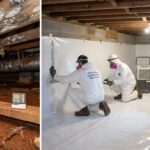
5. **Install Vapor Barriers**:
If you have a basement, consider installing a vapor barrier on the dirt floor to minimize moisture buildup.
6. **Regular Inspections**:
Schedule annual inspections of your home’s foundation. Catching problems early can save you a fortune in repairs later on.
Understanding the Costs of Foundation Repair
Like most home improvements, the cost of foundation repair can vary significantly based on the severity of the issue, your geographic location, and the type of repair needed. On average, homeowners may expect to pay anywhere from $2,000 to $7,000, with more severe cases potentially costing upwards of $15,000.
Keep in mind factors that influence pricing:
– **Type of Repair**: More complex repairs will naturally cost more.
– **Extent of Damage**: The larger the damage, the more you’re likely to invest.
– **Soil Conditions**: Areas with unstable soil may require more extensive work, affecting the bottom line.
– **Access**: If your foundation is difficult to access, additional labor costs may arise.
While these numbers can seem daunting, remember that investing in foundation repair now can save you money down the road. Ignoring the issue could lead to much higher costs, along with the potential consequences of living in a structurally compromised home.
Conclusion
Protecting your home from structural damage requires vigilance, education, and sometimes a bit of humor as you navigate home maintenance. Your foundation is your home’s backbone, and understanding how to care for it can prevent significant headaches (and expenses) in the future.
By recognizing the signs of foundation problems, knowing when to seek professional help, implementing preventative measures, and being aware of the costs associated with repairs, you’ll ensure that your home remains a safe and stable fortress for years to come.
So remember, while it may be easy to overlook the foundation under your feet when planning your next home improvement project, keeping it in check is the real heavy lifting that guarantees your home stays standing proud and true. After all, nobody wants to end up living in a modern art installation called “The Leaning House of Unstable Foundations.” Stay attentive, stay proactive, and let your home thrive!