Essential Guide to Foundation Repair: Signs Your Home Needs Immediate Attention
Your home is your castle. But what happens when your castle starts showing signs of wear and tear, especially at its very base? That’s right – we’re talking about foundation issues. Understanding the signs that your foundation may need immediate repair not only protects your investment but also ensures the safety and comfort of your family. In this comprehensive guide, we’ll delve into the essential indicators that your home is crying out for some foundation TLC. So, grab a cup of coffee (or tea, if that’s more your style), and let’s explore the world of foundation repair!
Understanding Your Foundation
Before diving into the signs of foundation problems, it’s worth taking a moment to understand what a foundation is and why it’s crucial. The foundation is the part of your home that supports the entire structure. It bears the weight of everything above it and distributes that load evenly to the ground below. Most homes have either a slab foundation, a crawl space, or a basement foundation. Each type has its own set of potential issues, but all share a common enemy: water.
Water is a double-edged sword; while your home needs it for plumbing and landscaping, too much can lead to soggy soil and shifting foundations. As a homeowner, being aware of the signs that your foundation might need repair is essential. Let’s jump right into them!
Signs Your Home Needs Immediate Foundation Repair
1. Cracks in Walls
If you notice cracks in your walls, don’t panic just yet! Not all cracks are a cause for alarm. However, horizontal cracks, wide cracks (more than 1/4 inch), or cracks that appear suddenly are signals that something might be awry with your foundation. Vertical cracks can be caused by normal settling, but if they extend from the foundation to the ceiling, that’s another red flag.
2. Uneven Floors
Do you find yourself reaching for your level every time you walk across the room? If your floors feel uneven or slanting, there’s a good chance your foundation is settling improperly. You might think this is just a quirky characteristic of your charming old home, but it could indicate that one side of your home is sinking or shifting—definitely an issue to address sooner rather than later.
3. Doors and Windows That Stick
If you have to wrestle with your doors and windows just to get them open or closed, it’s a strong sign that your home’s frame is warping due to foundation problems. When a door or window sticks, it’s not just annoying; it can also lead to drafts, energy inefficiency, and potential pest invasions. If it feels like you’re auditioning for a role in a wrestling match every time you leave or enter a room, it may be time for a foundation inspection.
4. Gaps Around Doors and Windows
Conversely, if you notice gaps forming around your doors and windows, that’s also a reason to raise your eyebrows. A settled or shifted foundation can create spaces where there shouldn’t be any, leading to issues with insulation and air leaks. Plus, nobody likes feeling a breeze when the windows are closed!
5. Sticking Floors
We’ve all had those moments where we step on a floorboard, and it squeaks louder than a mouse at a cheese convention. However, if your floorboards are starting to lift or buckle, you might need more than just a good pair of shoes. This could indicate that the foundation beneath them is compromised, leading to sagging floor joists or other structural integrity issues.
6. Water in the Basement or Crawl Space
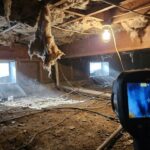
If you’ve discovered water pooling in your basement or crawl space, don’t blame your kids for playing with the garden hose. Water intrusion is a serious issue that can lead to mold growth, wood rot, and severe damage to your foundation. It’s crucial to address drainage issues immediately, as prolonged water presence can exacerbate foundation problems.
7. Bowing or Leaning Walls
Is your home giving off that lovely “leaning tower of Pisa” vibe? If you notice your exterior or interior walls bowing inwards or leaning, it’s time to call in the professionals. Bowed walls are usually a sign of significant pressure from the soil outside, indicating a failing foundation.
8. Cracked or Bulging Chimneys
While watching a video of a chimney sweep might be entertaining, seeing your chimney crack or bulge is far from it. A damaged chimney that leans away from the house or develops cracks could signify foundation failure. Since chimneys are often built on separate foundations, their issues can reflect broader problems within your home.
9. Soil Erosion
If you notice soil erosion around your home—especially near the foundation line—it’s a sign that water is improperly draining away from the base of your home. This erosion can compromise the stability of your foundation over time and can lead to serious structural deficiencies. Taking preventative action sooner rather than later is critical.
10. Recent Flooding or Heavy Rainfall
Weather events can have significant effects on your home’s foundation. If you’ve recently experienced flooding or heavy rainfall, watch for any signs of foundation issues that may arise. Soil saturation from excessive rain can cause your foundation to shift or settle, making it essential to keep an eye out for cracks, uneven floors, or other indicators of trouble.
When to Call a Professional
If you’ve noticed one or several of the above signs, it’s time to call in a foundation repair expert. While DIY fixes may seem tempting (and yes, repairing your own foundation might sound like a fun weekend project), foundation repairs usually require professional evaluation, experience, and specialized tools. A qualified contractor will assess your situation and recommend the best course of action, which may include underpinning, slab jacking, or waterproofing.
Remember, putting off foundation repairs can lead to more extensive—and expensive—issues down the road. Like procrastinating on laundry, ignoring an issue won’t make it go away; it’ll just pile up.
Foundation Repair Methods
Now that we’ve established how to recognize problematic signs, let’s briefly discuss some common foundation repair solutions. Each method is tailored to address specific issues, and your repair company will recommend the best option for your unique situation:
1. Slab Jacking: If your concrete foundation is sinking, slab jacking can elevate and level it. This method involves injecting a material under the slab to raise it back into place.
2. Piering: For homes with a settled foundation, piering involves inserting steel posts (piers) deep into the ground until they reach stable soil or bedrock. This technique redistributes the load and stabilizes the structure.
3. Wall Anchors: For bowing walls, wall anchors help straighten and support the walls by anchoring them to stable soil outside.
4. Drainage Solutions: Often, addressing water issues is the key to preventing further foundation problems. Installing proper drainage systems and gutters can redirect water away from the foundation and protect against future issues.
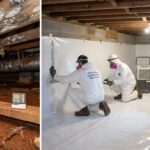
5. Waterproofing: For basements and crawl spaces, applying waterproof coatings and sealants will help keep moisture at bay, which in turn protects your foundation.
Preventing Foundation Problems
Your home’s foundation deserves some preventive care, much like your car needs oil changes and your pets need regular vet visits. Here are some tips to keep your foundation healthy:
– Maintain Proper Drainage: Ensure your gutters and downspouts direct water away from your home. A well-drained yard is a happy yard!
– Monitor Soil Moisture Levels: In dry seasons, consider watering the soil around your foundation to prevent it from shrinking and causing settling.
– Keep Trees at Bay: Roots from large trees can undermine your foundation as they seek out water. Be cautious about planting trees too close to your home.
– Regular Inspections: It pays to conduct seasonal inspections of your home, checking for any signs of movement, water damage, or cracks.
In Conclusion
Being vigilant about your home’s foundation can save you from headaches and hefty repair bills in the long run. Whether you’re noticing cracks in your walls, sticking doors, or unusual drainage patterns, pay attention. Your home might be trying to tell you something important! If you suspect any foundation problems, calling a professional can help set things straight. Remember, your home should be a source of comfort, not a shaky worry!
By keeping an eye on these signs and understanding what steps to take, you’ll be well-equipped to maintain the integrity of your beloved castle. After all, a solid foundation means solid living!