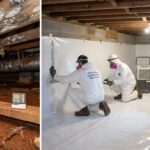
Essential Guide to Understanding Basement Waterproofing: Protecting Your Home from Water Damage
When it comes to home maintenance, basement waterproofing often gets relegated to the bottom of the priority list. After all, it’s not glamorous like new kitchen cabinets or a freshly painted living room. However, neglecting this essential aspect of home care can lead to disastrous consequences. Think of it as giving your basement a stylish raincoat instead of letting it suffer through torrential downpours and puddles reminiscent of a local swimming pool. So let’s dive deep into the world of basement waterproofing and learn how to protect your home from water damage while keeping it dry, happy, and odor-free.
Understanding Your Basement
Before we go full steam ahead into the waterproofing solutions, it’s essential to understand what makes basements particularly susceptible to water problems. Basements are typically located below ground level, making them prime targets for groundwater infiltration. Factors such as soil composition, local climate, and even the grade of your property can have a significant impact on water accumulation around your foundation.
Water can seep into your basement through cracks in walls, floors, and even the foundation itself. A leaky basement is not just an inconvenience; it can lead to serious issues such as mold growth, structural damage, and stinky vibes that even the most potent air freshener cannot mask.
Why Waterproof Your Basement?
The reasons for waterproofing your basement are as clear as a sunny day after a storm:
1. **Prevent Mold and Mildew**: Excess moisture creates the perfect breeding ground for mold and mildew, which can result in health issues and make you feel like you’re living in a damp cave. Let’s avoid turning your home into an indoor jungle of uninvited guests.
2. **Protect Your Home’s Structure**: Water damage can weaken your foundation over time. Think of your foundation as the superhero of your house – it holds everything up, but it needs support too!
3. **Increase Property Value**: A dry, well-maintained basement can boost your home’s resale value. If potential buyers encounter a moisture-riddled basement while touring your home, chances are they’ll sprint for the exit faster than you can say “goodbye!”
4. **Create Usable Space**: A waterproofed basement opens the door to new possibilities – think man caves, playrooms, or guest suites. Just remember to share your popcorn in the future home theater.
5. **Insurance Benefits**: Some insurance policies may offer better rates for homes with waterproofing systems in place. It’s like getting a bonus for taking care of your home!
Types of Basement Waterproofing
Now that we’ve established why waterproofing is essential, let’s explore the various types of basement waterproofing methods available.
1. **Interior Waterproofing**
This method focuses on preventing water from entering your basement through soil and foundation walls. It includes a variety of techniques:
– **Sealants and Coatings**: It’s like putting a waterproof coat on your basement walls. These products can be applied directly to the interior walls to prevent moisture penetration.
– **Interior Drainage Systems**: Installing a sump pump and drain tiles can help collect and redirect water away from the foundation. Imagine your basement wearing a tiny drainage hat, directing the flow like a pro!
– **Dehumidifiers**: Sometimes, just draining away isn’t enough. A dehumidifier can help reduce humidity levels in your basement, keeping the air fresh and mold-free.
2. **Exterior Waterproofing**
Exterior waterproofing involves addressing water issues from the outside. While it can be more expensive, it’s often more effective in the long run:
– **Excavation**: This entails digging around your foundation and applying waterproof coatings to prevent water from seeping in. It’s like giving your home a spa day – only way more labor-intensive.
– **French Drains**: A French drain system diverts surface and groundwater away from your foundation. They consist of a trench filled with gravel and a perforated pipe installed at the bottom.
– **Foundation Repair**: Sometimes, the cracks in your foundation need a hands-on approach. Foundation repair professionals can fill in these gaps and bolster structural integrity.
3. **Basement Waterproofing Membranes**
Membranes provide a waterproof barrier against moisture. They can be used inside or out and come in various forms, such as:
– **Sheet Membranes**: These are applied directly to the foundation walls and can effectively prevent water penetration.
– **Liquid Membranes**: Like paint but much more effective, these membranes are applied with a sprayer or roller and form a seamless, waterproof layer.
Choosing the Right Waterproofing Method
Deciding which method is right for your basement depends on several factors:
– **Severity of the problem**: Do you have a constant waterfall effect, or are there just occasional damp spots? The magnitude of your issue will dictate whether you need a simple solution or a comprehensive plan.
– **Budget**: Basement waterproofing can range from budget-friendly DIY options to more expensive professional services. Assessing costs upfront can help you find a balance between quality and affordability.
– **DIY vs. Professional**: While some homeowners may enjoy getting their hands dirty and tackling projects themselves, others may prefer to call in the pros. If you’re unsure of your skills (or if you just want to binge-watch your favorite show instead), hiring a professional might be the way to go.
Preventive Maintenance for Your Basement
Once you’ve invested in waterproofing your basement, maintaining its integrity is crucial. Here are some preventive tips to ensure long-lasting protection:
1. **Regular Inspections**: Keep an eye out for signs of moisture, cracks in the walls, or musty odors. Catching problems early can save you money and stress down the line.
2. **Gutter Maintenance**: Ensure your gutters are clear and functioning properly. Clogged gutters can lead to water pooling around your foundation, resulting in a basement that feels like a water park.
3. **Grading**: Make sure the landscaping slopes away from your home to direct water flow away from the foundation – think of it as creating a moat, minus the alligators.
4. **Downspout Extenders**: Use extenders to channel water away from the foundation. This small addition can make a massive difference.
5. **Moisture Control**: Maintain proper ventilation in your basement, using a dehumidifier when necessary, especially in areas with high humidity. Fresh air equals a happy basement!
Conclusion
Basement waterproofing is an essential aspect of protecting your home from the lurking dangers of water damage. By understanding the importance of waterproofing, exploring different methods, and implementing preventive measures, you can keep your basement dry, safe, and usable for years to come.
So next time you consider skipping that basement inspection, remember that thorough preventive care today could save you from costly repairs tomorrow. With the right approach, you can transform your basement into a space that contributes positively to your home rather than one that drags it down into a waterlogged abyss. Now, go forth and conquer that moisture! Your home (and your future self) will thank you.