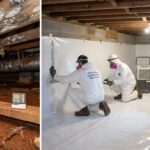
Essential Guide to Understanding Basement Waterproofing Techniques for Long-Term Home Protection
When it comes to maintaining the integrity of your home, few things are as crucial as ensuring that your basement stays dry and free from water damage. A wet basement isn’t just a nuisance; it can lead to structural issues, mold growth, and even a decline in your home’s value. To avoid transforming your cozy lower level into a swamp, this essential guide will explore various basement waterproofing techniques, helping you protect your home for years to come.
### 1. The Basics of Basement Waterproofing
Before diving into the nitty-gritty details of waterproofing methods, let’s cover the basics. Basement waterproofing is the process of preventing water from entering your home’s basement or foundation. The need for waterproofing arises from a combination of external factors (like heavy rainfall) and internal factors (such as plumbing leaks).
Why is this important, you ask? Well, aside from the obvious perk of keeping your basement free of unwanted pools and puddles, effective waterproofing can prevent a slew of headaches down the road—think mold remediation costs, structural repairs, and the emotional toll of living with a perpetually damp environment.
### 2. Understanding the Water Ingress Problem
Water tends to take the path of least resistance, which means it can seep through cracks, porous materials, and even tiny holes in your basement walls and floors. Understanding how water enters your basement will help you choose the right waterproofing technique.
The most common causes of basement water ingress include:
– **Surface water runoff**: Rainwater can accumulate around your foundation if your yard slopes towards your home.
– **Groundwater**: High water tables can push moisture through foundation walls and floors.
– **Plumbing leaks**: Sometimes it’s not Mother Nature but a faulty pipe causing the problem.
### 3. Exterior Waterproofing Techniques
If you’re serious about keeping water at bay, tackling it from the outside is often the most effective approach. Here are some exterior waterproofing methods:
#### a. Grading and Landscaping
Adjusting the slope of your yard can significantly impact how water flows away from your home. Ideally, your yard should slope away from the foundation at a gradient of 6 inches for every 10 feet of distance. Think of it as designing a mini water park—just without the fun slides.
#### b. French Drains
A French drain is a gravel-filled trench that diverts water away from your foundation. By installing a perforated pipe at the bottom of the trench, you create a pathway for water to flow out of your yard, preventing it from pooling against your foundation. It’s like giving groundwater its own exit ramp.
#### c. Waterproofing Membranes
Applying a waterproof membrane to the exterior walls of your basement can create a barrier between your home and any incoming moisture. These membranes are typically made of polymer-modified asphalt or rubberized compounds. A good membrane will have your basement feeling like it’s wrapped in a cozy, dry blanket.
#### d. Sump Pumps
Installing a sump pump is a proactive measure if you live in an area prone to heavy rainfall or flooding. This device collects excess water that accumulates in a sump basin, then pumps it away from your foundation. It’s like having a personal water bouncer who ensures nobody crashes the party.
### 4. Interior Waterproofing Techniques
Sometimes, despite your best efforts, water finds its way inside. Luckily, there are several interior waterproofing techniques to combat this.
#### a. Interior Drainage Systems
An interior drainage system channels water that seeps into your basement to a sump pit where it can be pumped away. This method is often easier to install than exterior options, especially in finished basements. It’s like setting up a moat around your castle, but the drawbridge never goes down.
#### b. Sealants and Coatings
Applying sealants to walls and floors can help reduce moisture penetration. Epoxy-based paints, specifically designed for basements, can keep water from sneaking in through tiny cracks and pores. Just think of this as putting on a protective layer of armor for your basement walls.
#### c. Dehumidifiers
While dehumidifiers won’t stop water from coming in, they can help manage humidity levels and prevent mold growth. Placing a dehumidifier in your basement can keep the air dry and pleasant, akin to using a hairdryer after a shower—you may not eliminate the water source, but you can certainly mitigate the effects.
### 5. Advanced Solutions for Serious Issues
If your water problems are more than a simple inconvenience, consider these advanced waterproofing solutions.
#### a. Foundation Repairs
If water is consistently seeping into your basement, cracks in your foundation could be the culprit. Professional foundation repair specialists can assess and repair your foundation using techniques such as underpinning or epoxy injection, effectively sealing those pesky gaps, much like having a team of superheroes patching up your basement.
#### b. Water-Resistant Building Materials
When building or renovating, consider using water-resistant materials for your basement. Products like insulated concrete forms (ICFs) or treated wood can provide an extra layer of protection against moisture intrusion that traditional materials simply can’t match. It’s like upgrading your defenses with high-tech gadgets.
### 6. Maintenance is Key
Once you’ve taken steps to waterproof your basement, maintenance is essential to ensure long-term success. Here are a few maintenance tips to keep your basement dry:
– **Clean gutters and downspouts regularly.** Blocked gutters can lead to overflow, directing rainwater towards your foundation.
– **Check grading periodically.** Ensure that the landscape continues to slope away from your home.
– **Inspect your sump pump.** Test it regularly to make sure it’s functioning correctly and always replace the battery backup as needed.
### 7. Final Thoughts
Basement waterproofing might feel like one of those never-ending projects, but the benefits far outweigh the effort. With the right techniques and a sprinkle of proactive maintenance, you can keep your basement dry and useable while protecting your home’s overall value.
Remember, investing in waterproofing is investing in your home’s future. And who wouldn’t want a dry, safe space to escape to when the weather outside gets a bit dicey? After all, every homeowner deserves a basement that feels as good as it looks—minus the water features!
So roll up your sleeves, grab your tools, and tackle that humidity! With the right approach, your basement can remain a sanctuary rather than a soggy dungeon. Stay dry, my friends!